


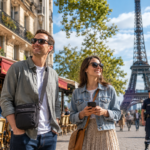
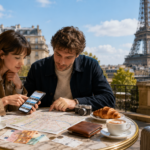



🗼 Visiting Paris: What to Do and What to Avoid for a Great Trip
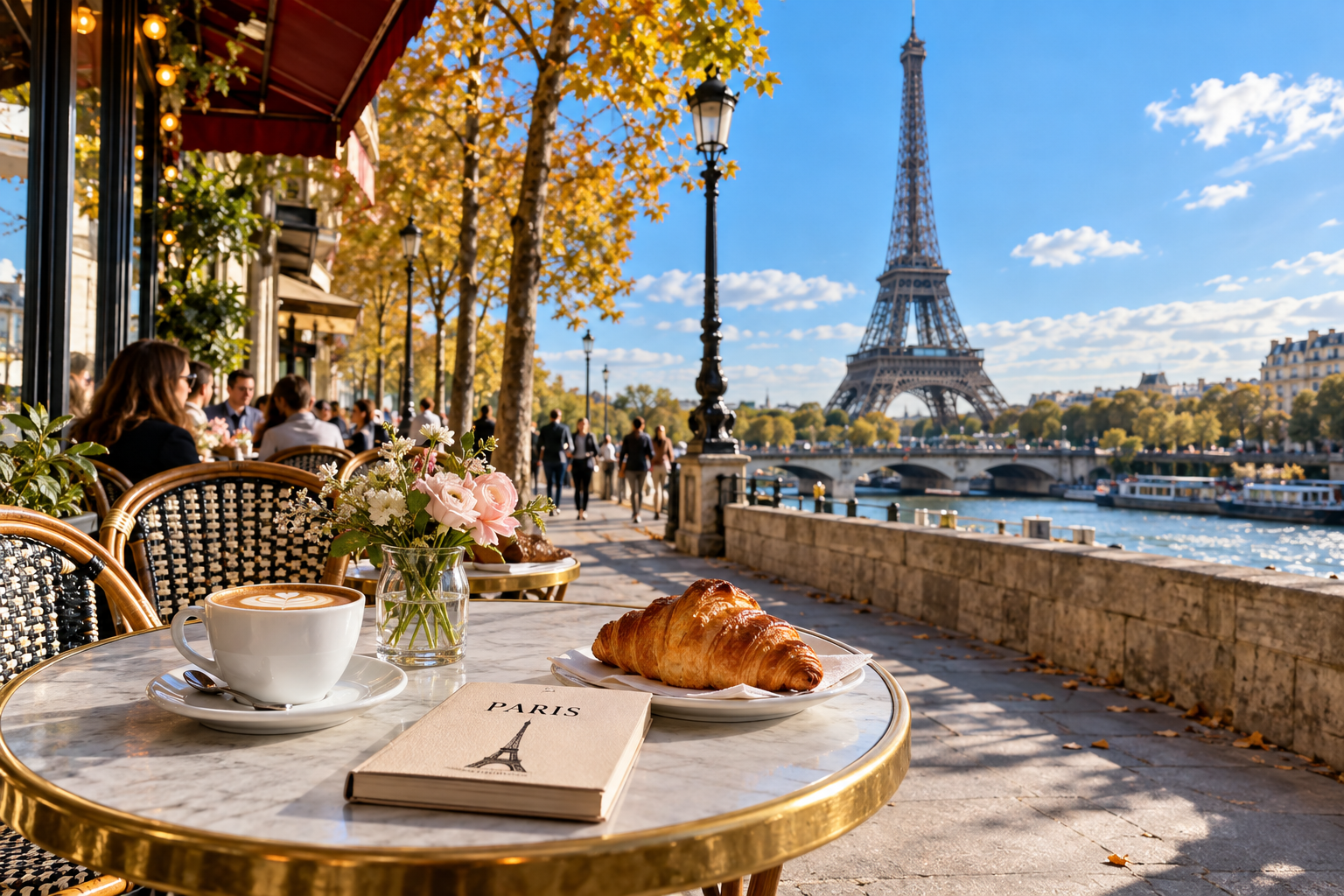
Planning a trip to Paris? The French capital has an incomparable charm, with iconic landmarks, historic neighborhoods, street cafés, museums, and hidden gems that delight travelers. However, a few mistakes can complicate your stay, waste your time, or prevent you from fully enjoying the Parisian experience. To explore the city in the best possible way, it’s best to familiarize yourself with some local customs and adopt the right habits as soon as you arrive.
Saying “hello” before asking a question, using the metro, exploring neighborhoods beyond the Eiffel Tower, or taking the time to sit at a café terrace: these simple gestures can transform your visit. On the other hand, leaving your phone unattended, buying transit tickets from unofficial vendors, or trying to visit too many sights in a single day could make your trip more tiring than expected.
Whether you’re coming for a weekend, a few days of vacation, or your first trip to France, here are the good habits to adopt and the mistakes to avoid so you can discover Paris like a seasoned traveler.
📋 Table of Contents
- Saying “bonjour”: an essential rule in Paris
- Learn a Few French Phrases
- Using the Metro to Get Around
- Exploring neighborhoods beyond the Eiffel Tower
- Sit down at a café terrace
- Visit a neighborhood bakery
- Keep your phone and belongings safe
- Buying transit tickets at the right place
- Understanding tipping in France
- Adjusting to the Parisian pace of life
- Respect local customs
- Avoiding tourist scams
- What activities should you book during your stay?
- Practical Information for Planning Your Trip
- Frequently Asked Questions About a Trip to Paris
👋 Saying “hello”: an essential rule in Paris
If there’s just one custom you should remember before visiting Paris, start with this one: say “bonjour.” In France, this polite greeting is part of many everyday interactions. Whether you’re entering a store, ordering a coffee, asking for directions, or speaking to a shopkeeper, a simple “Bonjour” is a great way to start a conversation.
Some travelers tend to ask their question right away, especially if they come from countries where this is more common. In Paris, taking a few seconds to greet the person you’re speaking with helps make the interaction more pleasant. In the evening, you can use “Bonsoir.” To thank someone, say “Merci,” and to say goodbye, “Au revoir” works in almost any situation.
This courtesy doesn’t guarantee that every interaction will be warm, as customs and personalities vary. It does, however, show that you respect local social norms. A smile and a polite tone can also make interactions easier, even if you don’t speak French perfectly.
🇫🇷 Learn a Few French Phrases Before You Go
You don’t need to be fluent in French to enjoy Paris. However, learning a few simple phrases will help you order at a restaurant, ask for directions, and interact with locals. These few words can also make your experience more enjoyable in shops and places less frequented by tourists.
- Bonjour: to greet someone.
- Bonsoir: to say hello at the end of the day.
- S’il vous plaît: to make a polite request.
- Merci beaucoup: to say thank you.
- Excuse me: to ask for help or get someone’s attention.
- Do you speak English?: to find out if the person you’re talking to can answer you in English.
- “Where is the subway?”: to ask for directions.
- The check, please: to ask for the bill at a restaurant.
If your French is limited, simply mention it and politely ask if the person you’re speaking with speaks English. In tourist areas, you’ll often meet people who can communicate in English, but this isn’t always the case. A translation app can also help you understand a menu or ask a question.
🚇 Use the metro to explore Paris more easily
The metro is one of the most convenient ways to get around Paris. Its network serves many neighborhoods, landmarks, and cultural sites. It often helps you avoid traffic jams and save time compared to driving, especially during rush hour.
Before you go, check your route and locate the station closest to your destination. Transit apps and mapping tools let you compare routes and check for any service disruptions. Also, allow a little extra time if you need to change lines or go to a particularly busy station.
To purchase your tickets, use official ticket machines, sales outlets, and digital platforms. Check the terms of use for your chosen ticket and keep it until the end of your trip. If you’re using a digital ticket, make sure your phone has enough battery life.
The metro is particularly crowded in the morning and at the end of the day. Keep your belongings close to you, let passengers get off before boarding, and avoid blocking the doors. On escalators, stand on the side indicated to let people in a hurry pass.
🏙️ Explore neighborhoods beyond the Eiffel Tower
The Eiffel Tower is a must-see on a first visit, but Paris is more than just its most famous landmarks. The capital can also be discovered through its streets, squares, markets, gardens, and neighborhoods, each with its own unique atmosphere. Spending time in these places gives you a better understanding of the city’s diversity.
The Marais attracts visitors with its historic streets, independent shops, galleries, and gourmet spots. Montmartre charms with its winding, sloping streets, artistic heritage, and views of Paris. The Latin Quarter offers a historic, university-like atmosphere, while the Canal Saint-Martin is popular for its walks along the water’s edge.
You can also explore the covered arcades, discover neighborhood markets, or take a stroll through Parisian gardens. These experiences perfectly complement visits to the major monuments and often offer great photo opportunities.
The best advice is to choose two or three neighborhoods per day rather than rushing across the city nonstop. You’ll have more time to admire the architecture, stop by a shop, and discover places you hadn’t planned to visit.
☕ Take the time to sit down at a café terrace
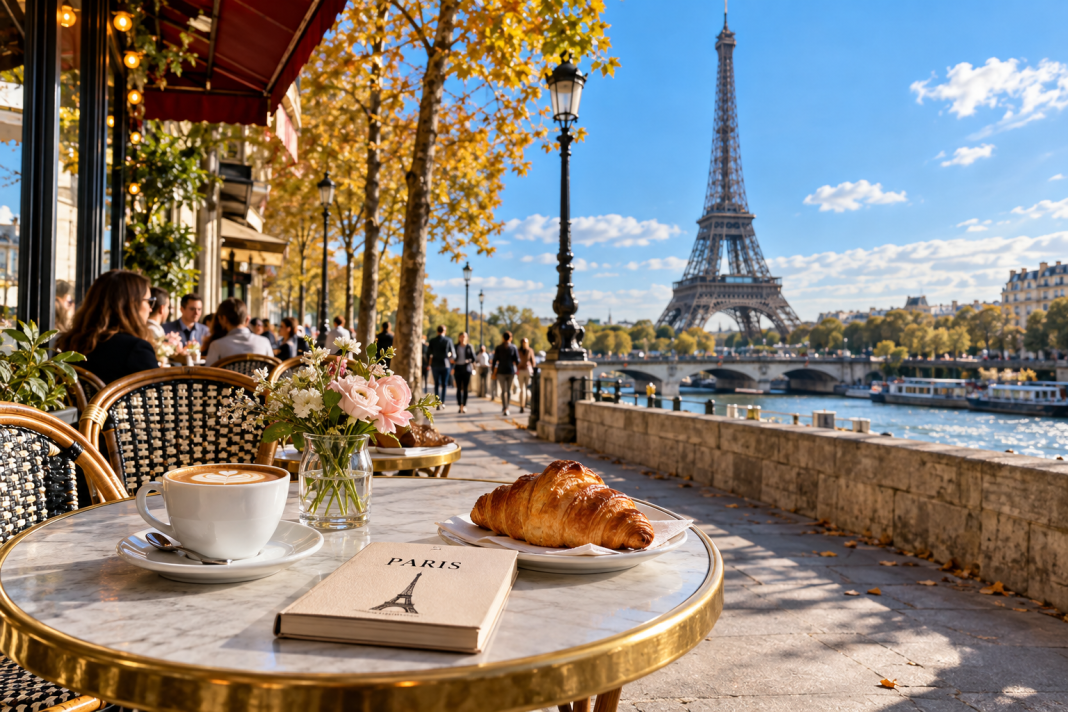
A café terrace is one of the iconic images of Paris. It’s a great way to take a break between sightseeing stops, enjoy a coffee or lunch, and watch the neighborhood come to life. Instead of rushing from one monument to the next, give yourself a moment to soak up the atmosphere.
Before you sit down, check the menu and the posted prices. Some establishments in highly touristic areas charge higher prices. Comparing several places just a few blocks apart can help you find an option that better fits your budget.
Service practices may differ from those in your home country. In some cafés, you order at the counter; in others, a server will come to take your order. If you’d like to pay right away or ask for the check, simply speak to the staff.
A sidewalk café is also a great place to observe local customs. Take the time to watch the streets, chat with your travel companions, and enjoy the moment. It’s often in these simple moments that you appreciate a city the most.
🥐 Step into a neighborhood bakery
A visit to Paris wouldn’t be complete without stopping by a bakery. Neighborhood bakeries typically offer baguettes, croissants, pains au chocolat, sandwiches, and a variety of pastries. They’re a convenient option for breakfast or a quick lunch between sightseeing stops.
Venture away from the busiest streets to discover the shops frequented by locals. Take a look at the products on display, the prices, and the meal options available. If you’re looking for a quick bite, a sandwich with a drink can be a simple and usually less expensive option than a meal at a tourist restaurant.
As in other shops, start by saying hello before placing your order. Clearly state what you’d like and thank the person serving you. These simple gestures make the experience more enjoyable and allow you to discover a very everyday aspect of Parisian life.
🔒 Keep Your Phone and Belongings Safe
Paris welcomes many visitors, and, as in any major city, pickpocketing can occur in crowded areas. Public transportation, lines, and certain tourist sites require extra vigilance. This doesn’t mean you should be suspicious of everyone, but rather that you should adopt a few simple habits.
Avoid leaving your phone unattended on an outdoor table, especially when you’re sitting near a walkway. On the subway, keep your bag closed and place your valuables where they’re hard to reach. If you’re carrying a backpack on a crowded train, you can place it in front of you to keep a closer eye on it.
Never leave your wallet, passport, or phone unattended in a public place. Also, be careful when using your phone to check directions near a street or in a crowd. Once you’ve finished checking directions, put it away rather than holding it unnecessarily.
Before you leave, keep a secure copy of your important documents and write down how to contact your bank in case your card is lost. These precautions will make it easier to handle any issues that may arise during your trip.
🎫 Buy transit tickets from official vendors
Paris public transportation offers several ticketing options, including ticket vending machines and official digital services. To avoid unpleasant surprises, purchase your tickets through these channels rather than from people who spontaneously offer you tickets on the street or near stations.
Always verify that the ticket matches your route and the applicable travel conditions. Fares and fare options may change: check official information before your arrival to choose the most convenient option for the duration of your stay.
Don’t let yourself be pressured by someone who insists on selling you a ticket or asks you to pay immediately. If in doubt, go to a ticket machine or an official sales location. If you need help, ask an authorized staff member.
This caution also applies to tickets for shows, guided tours, and tourist activities. The official websites of venues and recognized booking platforms allow you to check terms, prices, and availability before paying.
💶 Understanding Tipping in Parisian Restaurants
Tipping customs vary from country to country. In France, service is generally included in the prices listed at restaurants. Therefore, you don’t need to automatically add a significant percentage to the bill, unlike certain practices in the United States.
If you particularly enjoyed the service, you can leave a small tip at your discretion. This is optional and depends on your experience, budget, and personal habits. Don’t feel obligated to follow the customs of another country.
Before paying, simply check the total amount of the bill. If you’d like to leave a tip, you can ask the staff what the easiest way to do so is, especially when paying by credit card.
🚶 Walking and Planning a Realistic Itinerary
Paris is particularly well-suited for walking. Many monuments, gardens, and neighborhoods are within a reasonable walking distance of one another. Walking allows you to admire building facades, discover lesser-known streets, and make spontaneous stops at shops or cafés.
However, you should take actual distances into account. A day that looks simple on a map can become tiring if it includes several museums, long lines, and lengthy walks. Plan for breaks and group your visits by area to minimize unnecessary travel.
Booking a time slot for a museum or activity can be helpful, especially during peak times. However, be sure to leave some free time in your schedule: an impromptu stroll or a spontaneous discovery can become one of the best memories of your trip.
Avoid trying to see everything in two or three days. Paris deserves to be taken in at a leisurely pace. It’s better to explore a few places thoroughly than to cram in too many visits without really being able to enjoy them.
🤫 Respect local customs and shared spaces
On public transportation, in restaurants, and on residential streets, adapt your behavior to your surroundings. Speaking at a reasonable volume, giving other passengers space, and avoiding blocking walkways are simple gestures that make life easier for everyone.
If you’re staying in an apartment, follow the building’s rules and avoid making noise late at night. Tourist neighborhoods are still places where locals live. In the evening, stick to designated areas for gatherings and follow the posted guidelines in parks or public spaces.
When taking photos of people, ask for their permission if the situation calls for it, especially for close-up portraits. Also, follow the specific rules regarding photography at monuments, museums, and private establishments.
⚠️ Recognizing the Most Common Tourist Scams
Busy areas sometimes attract people who try to take advantage of distracted visitors. Some tactics involve an insistent request for a signature, a bracelet presented as a gift, or an offer to gamble on the street. Others may demand an unexpected payment after offering you a service you didn’t ask for.
The best approach is to remain polite but firm. If someone is being overly persistent, you can refuse and continue on your way without stopping. Do not share your banking information or sign any document whose contents you do not understand.
For guided tours and attractions, check prices before committing. Be wary of offers presented as urgent or exceptionally good deals without clear information about the provider. Cancellation policies, the meeting location, and the details of the activity must be clear before making any reservation.
If you encounter a problem, go to a busy area and speak with staff at a business, transit officials, or the appropriate authorities. Keep important contact information and details about your reservations with you throughout your stay.
🎨 What activities should you book during your stay in Paris?
Paris isn’t just best explored on foot or by metro. Guided tours, cultural experiences, and themed activities offer a deeper understanding of the capital’s history and help you discover places you might not notice on your own.
If you love fashion, for example, you can join a shopping tour focused on Parisian fashion and vintage boutiques led by a designer. This experience lets you explore unique spots and learn more about Parisian style. Check the activity details for pricing, schedules, duration, and booking requirements.
You can also plan a museum visit, a guided walk through a historic neighborhood, or a culinary tour. The most important thing is to choose activities that match your interests and to check availability before you leave.
To round out your itinerary, check out other ideas for tours and outings in our section dedicated to activities and places to discover in Paris.
🧳 Practical information to help you plan your trip to Paris
- Transportation: Check routes, schedules, and available tickets through the RATP and official sources.
- Budget: Compare prices for restaurants, activities, and accommodations before booking.
- Reservations: Plan ahead for popular attractions and check cancellation policies.
- Safety: Keep your personal belongings close to you in crowded places.
- Language: Learn a few French phrases and use a translation app if necessary.
- Itinerary: Group your visits by neighborhood and plan for breaks.
- Weather: Check the forecast before choosing what to wear and planning outdoor activities.
- Documents: Check the travel requirements for your nationality before departure.
To plan your travels, visit the official RATP website. There you’ll find useful information about the Paris transit system and can plan your routes before leaving your accommodations.
❓ Frequently Asked Questions About Visiting Paris
Do you need to speak French to visit Paris?
No. It’s possible to visit Paris without speaking French fluently. However, learning a few polite phrases can still be helpful for communicating. In tourist areas, some people speak English, but it’s best not to assume this is always the case.
What’s the best way to get around Paris?
The metro is generally very convenient for traveling long distances in the capital. Walking is ideal for exploring neighborhoods and historic streets. Depending on your itinerary, you can combine these two modes of transportation.
Is it necessary to tip at a restaurant?
No, service is generally included in the prices listed in France. You can leave a tip if you wish, but it’s optional.
How can you avoid theft while visiting Paris?
Keep your bag closed, keep an eye on your phone, and avoid leaving your valuables unattended. Be especially vigilant on public transportation and in crowded places.
How many days does it take to visit Paris?
A weekend is enough to see a few must-see sights, but three to five days give you more opportunities to explore several neighborhoods and visit museums. The ideal length of stay depends on your interests and the pace you prefer.
Should you book activities in advance?
For popular attractions, temporary exhibitions, and certain guided tours, booking in advance can help you avoid long wait times. Always check the booking and cancellation policies before paying.
🗼 Enjoy Paris by adopting the right habits
A successful stay in Paris isn’t just about the number of landmarks you visit. It’s also about the little everyday experiences: saying hello to a shopkeeper, having coffee on a sidewalk café, discovering a neighborhood bakery, or strolling down a street you hadn’t planned to visit.
By using the right modes of transportation, keeping your belongings safe, and being wary of overly pushy sales pitches, you’ll be able to explore the capital with greater peace of mind. Also, remember to respect local customs and plan a realistic itinerary, with enough time to enjoy each stop.
Paris has many facets, from its grand monuments to its more low-key neighborhoods. Take the time to explore them, stay curious, and leave room for the unexpected: that’s often how you discover the most memorable aspects of the French capital.